
Accessory Dwelling Units (ADUs)
Thinking About an ADU for a Loved One?
Here Are 5 Things Every Family Should Consider
As more Rhode Island and Massachusetts families look for creative housing solutions, Accessory Dwelling Units (ADUs) are becoming one of the fastest-growing ways to keep loved ones close while still giving everyone the independence they value.
Whether you’re planning for aging parents, welcoming an adult child back home, creating space for a caregiver, or simply increasing the value and functionality of your property, an ADU can be a smart long-term investment.
But before breaking ground, it’s important to understand that building an ADU involves much more than simply adding another structure to your property.
“An ADU is one of the best investments many families can make because it creates flexibility for generations,” says Melanson. “But the success of the project depends on making good decisions from the very beginning. The electrical infrastructure, utility planning, and future needs should all be considered before construction starts.”
Here are five important things every homeowner should consider before investing in an ADU.
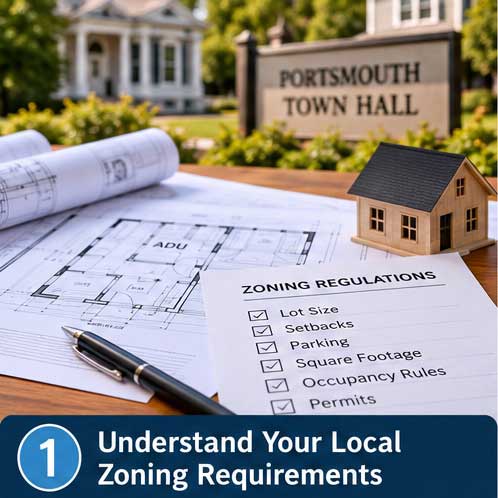
Understand Your Local Zoning Requirements
Before choosing floor plans or selecting finishes, verify that your town allows an ADU on your property.
Each municipality has its own regulations regarding:
- Lot size requirements
- Building setbacks
- Parking requirements
- Maximum square footage
- Occupancy rules
- Permit requirements
Doing your homework early can save significant time and expense later in the project.

Think About Who Will Live There—Now and in the Future
The best ADUs are designed with flexibility in mind.
Ask yourself:
- Will this be for aging parents?
- An adult child?
- Guests?
- A caregiver?
- Rental income someday?
Planning for changing needs can influence everything from doorway widths and bathroom layouts to lighting, accessibility, and electrical outlets.
Don’t Overlook the Electrical Planning
Electrical planning is one of the most important—and often overlooked—parts of an ADU project.
Modern ADUs require safe, efficient electrical systems that can support:
- Heating and cooling systems
- Kitchen appliances
- Washer and dryer hookups
- High-speed internet and home office needs
- Security systems
- EV charging capabilities
- Outdoor lighting
“Many homeowners don’t realize the existing electrical service may need upgrading to safely support another living space,” explains Melanson. “Planning that correctly from the start helps avoid expensive surprises later.”
Working with a licensed master electrician early in the design process helps ensure the home’s electrical capacity can safely support the new addition.
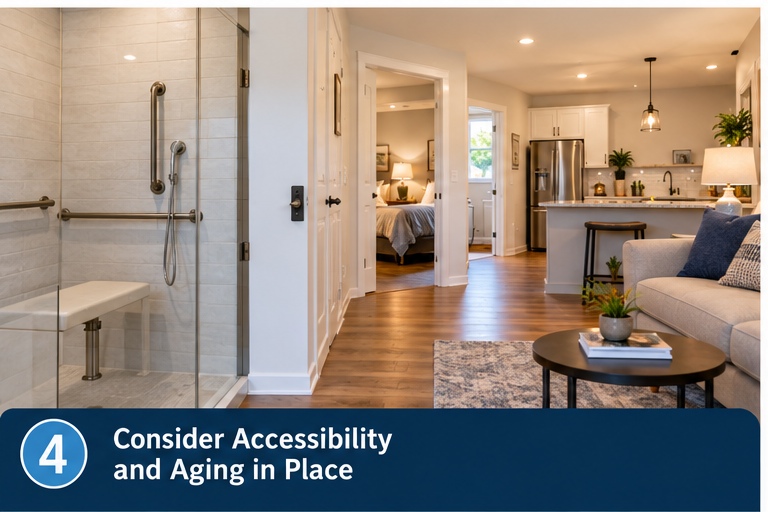
Consider Accessibility and Aging in Place
If the ADU may eventually house an aging parent—or even become your own future home—designing for accessibility today can save thousands of dollars later.
Features worth considering include:
- Single-level living
- Walk-in showers
- Wider doorways
- Lever-style door handles
- Bright, energy-efficient lighting
- Minimal stairs
- Smart home technology for safety
These thoughtful upgrades can help residents remain independent for years to come.

Choose Experienced Local Professionals
Building an ADU requires a team that understands local building codes, permitting, inspections, and utility requirements.
Experienced local contractors work together to ensure every phase—from planning through final inspection—is completed safely and efficiently.
For electrical work in particular, homeowners should hire a licensed master electrician familiar with today’s energy demands and future-ready technology.
More Than Just Extra Space
An ADU isn’t simply another building—it’s an investment in family, flexibility, and peace of mind.
Whether you’re caring for aging parents, helping a young adult save for a first home, or creating additional living space for future generations, thoughtful planning makes all the difference.
For Ray Melanson, helping homeowners prepare their homes for the future is one of the most rewarding parts of his work.
“Every family’s situation is different,” says Melanson. “Our goal is to help homeowners create safe, reliable electrical systems that support whatever life brings next.”